Source Embroidered Guipure Lace Fabric for Clothing, Home Textile, and Garment
Compare 30 listings of embroidered guipure lace fabric from verified suppliers. Buyers can evaluate material types like cotton and polyester, customization options, and specifications for clothing, home textile, and garment applications; compare the available evidence and request quotations based on your requirements.
Key considerations
Products List






Comprehensive Sourcing Guide
Embroidered Guipure Lace Fabric Sourcing Guide
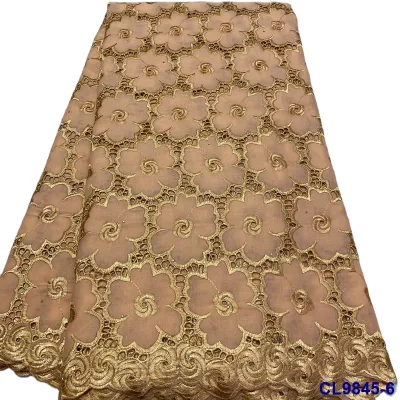
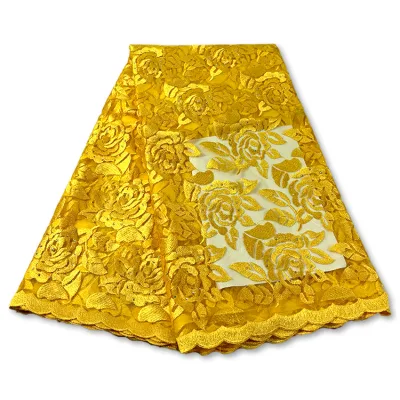
Buyers must first distinguish between standard guipure constructions and the specific embroidered variations observed in current listings, which often feature geometric patterns and flower motifs. The available data indicates that materials typically blend cotton with polyester or utilize pure polyester to achieve the desired drape and durability for garment applications. This material composition directly influences the final hand feel and the suitability of the fabric for specific end-uses, requiring careful selection based on the intended garment type.
Procurement teams should verify whether the lace is produced via chemical processes or manual embroidery techniques, as the listed options include both around and flower manual processes. The distinction is critical because chemical lace often offers different structural integrity compared to hand-embroidered pieces, affecting how the fabric behaves during cutting and sewing. Understanding these production nuances ensures that the selected fabric aligns with the technical requirements of the design team before any commercial commitment is made.
Product Scope and Observed Listing Signals
The market currently displays a wide range of widths, with observed specifications spanning from 69cm to 135cm, including customizable options that allow for tailored production runs. Buyers should note that some listings specify standard widths like 120cm or 125cm, while others offer flexibility to meet specific project needs. This variability necessitates precise communication regarding width requirements to avoid material waste or the need for complex pattern adjustments during the manufacturing phase.
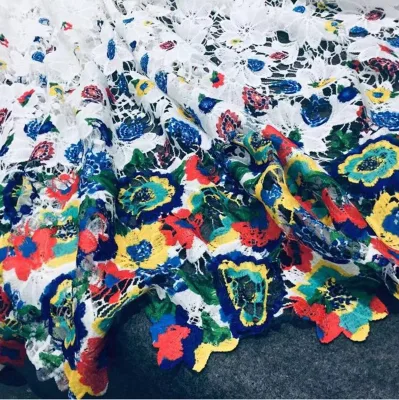
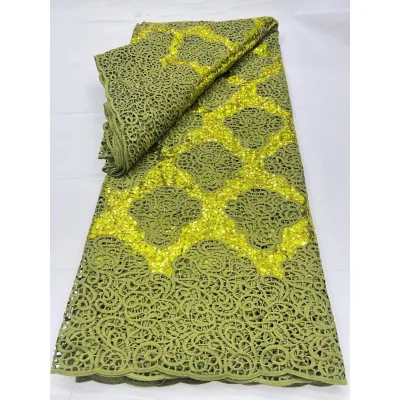
Color production capabilities vary significantly, with some suppliers offering dyed options in standard white while others accept customized color requests to match brand palettes. The presence of features like sequins and embroidery lace crafts suggests that these products are often designed for high-visibility applications such as fashion trimming or home textiles. Procurement specialists must confirm if the desired color is a standard stock item or requires a custom dyeing process, as this decision impacts lead times and minimum order quantities.
Technical Specifications to Verify
Width and standard dimensions are primary verification points, as the observed data includes specific measurements like 1'' to 1 7/8'' for trimming styles and broader fabric widths up to 135cm. Buyers must explicitly confirm the exact width required for their pattern layout, as the difference between a 69cm standard and a 130cm custom width can drastically alter material consumption and cost efficiency. Ensuring the width matches the design specification prevents costly errors in the cutting room and maintains the integrity of the final garment silhouette.
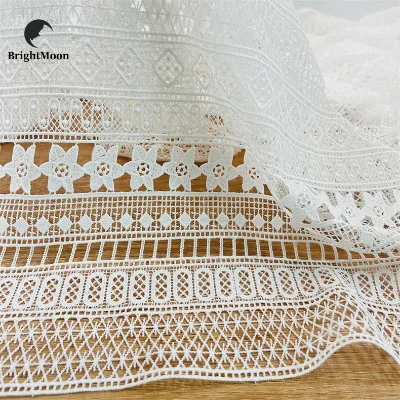
The production model and style attributes, such as Batten or Trimming styles, define the structural application of the lace within the final product. It is essential to verify if the listed model numbers, such as S010161 or S012853, correspond to the specific design aesthetic required, as these codes often denote distinct pattern densities and motif arrangements. Confirming the style and model number ensures that the physical characteristics of the lace, including its texture and openness, meet the functional and aesthetic expectations of the design brief.
Compliance and Safety Documentation
Safety and compliance standards are critical for international trade, with some listings explicitly mentioning certifications like CE, ROHS, and SGS to validate product safety. Buyers should request current test reports to confirm that the chemical lace or dyed fabrics meet the regulatory requirements of the destination market, particularly regarding harmful substances and textile safety. Relying on general claims without verified documentation can lead to customs delays or product recalls, making independent verification of these standards a mandatory step in the sourcing process.
Quality assurance protocols are often highlighted in listings, with some suppliers stating that 100% of their products pass QC checks before packaging. However, buyers must define their own acceptance criteria and request specific quality control reports that detail defect rates and inspection methods used during production. Establishing a clear quality benchmark ensures that the final delivered goods meet the brand's standards for appearance and durability, reducing the risk of receiving substandard materials that could compromise the final product.
Cost Drivers and Commercial Terms
Pricing in this category is influenced by material composition, with cotton-polyester blends and pure polyester options carrying different cost structures based on raw material fluctuations. The observed price range of 0.1 to 32.66 USD reflects the diversity in product complexity, from simple dyed trims to intricate embroidered pieces with added decorations like sequins. Buyers should analyze the cost per unit against the specific features required, understanding that higher customization levels and complex manual processes will naturally drive the unit price upward.
Minimum Order Quantities (MOQ) and packaging requirements are significant commercial factors, with observed ranges spanning from 5 to 5000 units and packing options varying from 15 yards per poly bag to custom carton configurations. Negotiating these terms is essential, as high MOQs may be required for custom colors or specific model numbers, while lower quantities might be available for standard stock items. Clarifying the packaging format, such as 15 yards per card or 100 cards per carton, helps in planning logistics and storage, ensuring that the supply chain can handle the volume efficiently.
Supplier Qualification and Quality Control
Supplier origin and location play a vital role in logistics and communication, with observed production bases located in China, specifically in regions like Zhejiang and Guangzhou. Buyers should assess the logistical advantages of these locations, considering proximity to major ports and the efficiency of local supply chains for raw materials like cotton and polyester. Understanding the geographic distribution of suppliers helps in estimating lead times and shipping costs, which are critical components of the overall procurement budget.
Quality control processes must be rigorously evaluated, as the industry relies heavily on manual processes like flower embroidery and chemical lace production that require skilled labor. Buyers should inquire about the specific QC steps taken to ensure consistency in pattern alignment and color fastness, especially for customized orders where deviations can be costly. Establishing a clear communication channel for quality feedback ensures that any issues are addressed promptly, maintaining the integrity of the supply chain and the reputation of the brand.
Long-Term Procurement Checks
Sustainability and material sourcing are becoming increasingly important, with buyers needing to verify the environmental impact of the cotton and polyester used in the lace production. While some listings mention standard certifications, long-term partners should be evaluated on their commitment to sustainable practices and their ability to adapt to changing environmental regulations. Building a relationship with suppliers who prioritize responsible sourcing ensures that the brand remains compliant with future market demands and consumer expectations regarding ethical manufacturing.
Scalability and supply chain resilience are key considerations for long-term success, requiring buyers to assess the supplier's capacity to handle volume increases without compromising quality or lead times. The ability to offer customized designs and accept varied color requests indicates a flexible production environment capable of adapting to market trends. Establishing a robust partnership with a supplier who can scale operations ensures a steady supply of high-quality embroidered guipure lace fabric, supporting the brand's growth and market competitiveness over time.
FAQs
What materials are used for this embroidered lace fabric?
The fabric is primarily made from cotton or polyester blends. Some specific models feature pure cotton or pure polyester compositions. These materials ensure durability and comfort for various clothing applications while maintaining the intricate embroidered design quality.
Can I request custom colors for this lace fabric?
Yes, customized color production is available for this product line. Buyers can request specific dyeing processes to match their design needs. This flexibility allows for tailored solutions in garment and home textile projects without compromising the standard embroidery techniques used.
What is the standard width for this lace fabric?
Standard widths vary by model, ranging from 69cm to 135cm. Some specific items are listed at 120cm or 125cm. Custom widths are also available upon request to fit specific garment patterns or home textile requirements for your production line.
How is the lace fabric packed for shipment?
Standard packaging typically involves 15 yards per poly bag or 15 yards per card. Bulk orders may be packed as 100 cards per carton. Custom packaging requirements are also accepted to ensure safe transport and meet specific logistical needs for international buyers.
Which certifications do these lace fabric suppliers hold?
Selected products meet CE, ROHS, and SGS standards for quality and safety. These certifications verify that the manufacturing processes adhere to international regulations. Buyers can rely on these documented standards when sourcing for export markets requiring strict compliance with material safety guidelines.
What is the minimum order quantity for this fabric?
The minimum order quantity ranges from 5 units up to 5000 units depending on the supplier. This flexibility accommodates both small sample orders and large-scale production runs. Buyers should verify specific MOQs with vendors to align with their budget and inventory planning.
Where are these embroidered lace fabrics manufactured?
Production originates from China, with specific manufacturing hubs in Zhejiang and Guangzhou. These regions are known for their textile expertise and efficient supply chains. Buyers can expect reliable sourcing from these established industrial centers for high-quality lace fabric production.